This is a div block with a Webflow interaction that will be triggered when the heading is in the view.
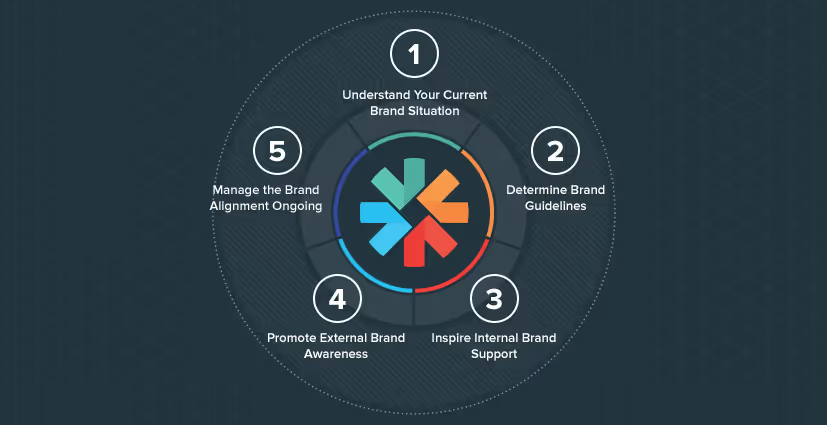
- Presents 5 steps to achieving brand alignment for your business.
- #1 Understand Your Current Brand Situation Before you can target a brand alignment strategy, you should first analyze.
- You understand the importance of brand awareness, brand voice, and brand promotion - which ultimately lead to brand alignment.
- Businesses often exhaust their efforts promoting and preserving their brands to clients, partners, and the marketplace.
- Truly successful companies also inspire internal brand awareness and support.

You understand the importance of brand awareness, brand voice, and brand promotion - which ultimately lead to brand alignment. Businesses often exhaust their efforts promoting and preserving their brands to clients, partners, and the marketplace. Truly successful companies also inspire internal brand awareness and support. Brand alignment is a direct reflection of your brand's authenticity - and helps bring brand consistency across your marketing efforts.
#1 Understand Your Current Brand Situation
Before you can target a brand alignment strategy, you should first analyze your current brand situation. Your brand should have a purpose, based on the value your products or services provide. How is your brand positioned? Are you an industry leader? A niche player? Review the human characteristics of your brand - your voice, your personality. Consider your value proposition - who you are and why your customers should care. Put your brand under the microscope to best understand where it stands today. Then identify goals for your brand and build a strategy to speak specifically to achieving those goals.
#2 Determine Brand Guidelines
Once you have your brand goals identified, consider creating a rulebook or guideline for your brand. Itemize specific requirements for the logo, color, and font. Identify non-negotiable variables of your mission and message that lend credibility to your brand. It should be succinct and to the point (try to keep it less than two pages) and show how your brand should be portrayed. Consistency is key. This guideline will serve as a go-to reference for employees to use and guide all company-approved communications. It also will communicate a company-wide effort to streamline brand protection.
#3 Inspire Internal Brand Support
If your employees don't know your brand values, they won't be able to deliver on them. Internal understanding of your brand identity is crucial as your employees are the face of your company and can be your biggest brand ambassadors. Employees need a direct explanation of your company mission, values, and character. In addition, team members need to understand their role in promoting the company. Consider creating a work environment that inspires brand loyalty.
#4 Promote External Brand Awareness
External awareness is key to making sure customers and partners know what your company does and represents. Build storytelling strategies that communicate your company values, promises, and culture across all your marketing platforms. Each medium presents an opportunity to adjust nuances of the message that can be targeted to specific audiences throughout their buying cycle. Consistent colors, terms, and content reinforce your brand identity.
#5 Manage the Brand Alignment Ongoing
Inconsistency can create mass confusion. Create methods for gauging internal brand embodiment with your employees and staff. Routinely review how your company communicates and exchanges information internally to make sure your brand loyalty is preserved. Consider using employee surveys to monitor the internal sentiments of your brand. Follow up with mechanisms to track and manage your marketing efforts.
Brand alignment is a direct reflection of your company's authentic message. Identify the necessary guidelines to preserve that core statement. Inspire internal staff and managers to live and breathe the company brand. Attract new customers and partners with the same brand identity.
It's more than your company brand. It's your company's authentic identity.
Want to learn more about how email signatures help with brand alignment? Contact us today for a demo.